


Welcome To STX Roofing

Roof Leak Detection in Huffman: Find the Source Before It Spreads

Estimate Request

"*" indicates required fields

Warning Signs That Point To An Active Roof Leak

Most roof leaks don’t announce themselves with a drip in the middle of your living room. That’s the movie version. Real leaks are sneakier. They show up as a faint yellow ring on the ceiling drywall, a musty smell in a closet, or a soft spot in the attic decking that you’d only notice if you were up there. We’ve walked into attics where the insulation was soaked through for months and the homeowner had no idea, because the water was running along a rafter before it ever dropped through the ceiling.

So what should you watch for? Here’s what tells us there’s water getting in where it shouldn’t:

  • Discolored spots or rings on ceilings, especially near exterior walls or light fixtures
  • Peeling paint or bubbling drywall on an upper floor
  • A musty or mildew smell in an attic, closet, or upstairs room
  • Dark streaks or granules collecting in your gutters after a storm
  • Daylight showing through the attic decking during the day

Out here in Huffman, the humidity coming off Lake Houston keeps roof decking and insulation damp longer after a storm than you’d get in a drier climate. That slower dry-out time means small leaks sit and spread instead of drying up on their own. Often, when we get called out for a “small stain,” we find the actual entry point is ten feet away from where the water showed up inside.

Not sure if what you’re seeing counts as a leak worth calling about? If it’s new, growing, or smells musty, it’s worth a look.

Ignoring a stain because it’s “not that bad yet” is how a $30 repair turns into a decking replacement.

How Professional Leak Detection Traces Water To Its Source

Here’s the thing about roof leaks: water almost never shows up where the roof failed. It travels along rafters, follows nail lines, pools in low spots, then drips through your ceiling ten feet from the real problem. We’ve walked attics in Huffman homes where the stain was in the hallway and the actual entry point was two roof planes over, near a pipe boot that had cracked from sun exposure.

So how do we find it? We start outside with a full visual pass, checking flashing, shingles, valleys, and every roof penetration. Then we move inside.

  1. Check the attic first, looking for dark streaks, wet insulation, or rot on the decking.
  2. Follow the water uphill from the stain, not down. Gravity lies to homeowners every day.
  3. Inspect flashing around chimneys, vents, and skylights, since that’s where most leaks start.
  4. Run water tests on suspect areas when the source isn’t obvious from a dry inspection.
  5. Check the roof deck itself for soft spots, which tell us how long water’s been getting in.

Often it’s a failed pipe boot, cracked flashing, or a shingle that’s lost its seal from wind. But every so often we find something a homeowner never would have guessed, like a satellite dish mount from a previous owner that was never sealed right.

This isn’t guesswork. It’s a process, and skipping steps is how contractors end up patching the wrong spot while the real leak keeps working on your decking underneath.

Condensation, Gutter Overflow, Or A Real Roof Leak

Not every wet spot on your ceiling means your roof is failing. We get calls all the time from folks in Huffman who see a stain after a hard rain and jump straight to “I need a new roof.” Sometimes that’s true. A lot of the time, it’s not.

Condensation is a big one, especially with attics that aren’t vented right. Warm, humid Gulf Coast air meets a cooler attic space, and moisture forms on the underside of the decking. It drips down, shows up on your ceiling, and looks exactly like a leak. If your attic venting is undersized or blocked, this happens over and over, usually worse in spring and summer when the humidity spikes.

Gutter overflow is another common one. When gutters clog with leaves and debris, water backs up under the shingles at the edge instead of running off. Homes with mature trees near the roofline see this a lot. It looks like a roof leak from inside, but the fix is gutter repair, not roof repair.

So how do you tell the difference? Real roof leaks usually show up during or right after a storm, and they often track back to a specific spot, like a nail hole, cracked flashing, or a spot where wind lifted shingles. Condensation shows up on calm, humid days with no rain at all. Gutter overflow stains tend to run along the eaves, not the middle of a ceiling.

Guessing wrong wastes time and money.

Roof Leak Detection sorts out which one you’re dealing with before anyone climbs up with a nail gun. We check attic ventilation, gutter flow, and the actual roof surface, then tell you straight which repair fixes the real problem.

Best roofer Nextdoor 2024
Houston Roofer Nextdoor 2021

Our Services

Here’s how we take care of roofs for Houston homeowners.
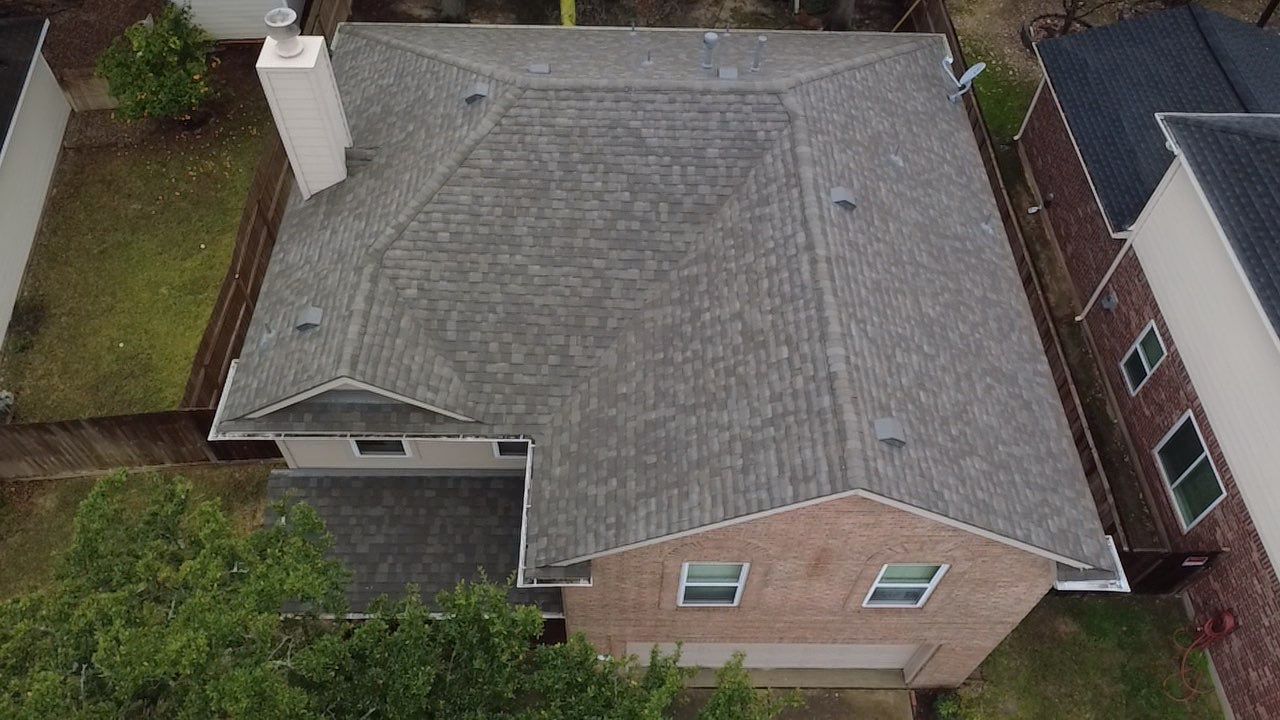
Residential roof replacement project completed by STX Roofing on a home in Southeast Texas

Roof Replacement

Professional roof replacement services using quality materials to protect your home for years to come.
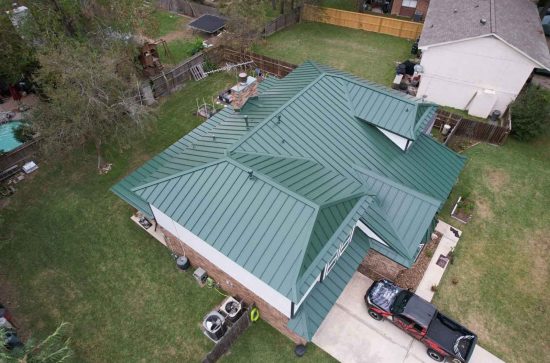
metal roof replacement

Metal Roof

Durable, energy-efficient metal roofing built for long-term performance and protection.

commercial roofer Houston TX

Commercial Roofing

Reliable commercial roofing solutions designed to protect your business and minimize downtime.

gutter guards

Gutter Guards

Leaf Blaster Pro gutter guards professionally installed for clog-free, low-maintenance gutters.
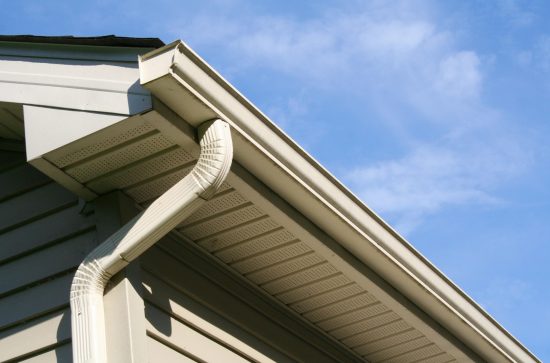
gutter installation

Gutter Installation

Custom-fit gutter installation that directs water away and protects your home’s foundation.
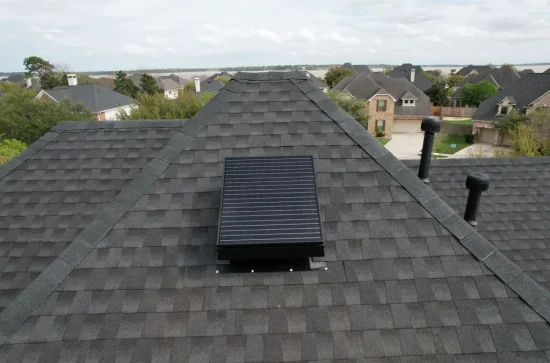
roof repairs

Roof Repairs

Expert roof repairs in Houston – fast, reliable fixes for leaks, storm damage, and normal wear.
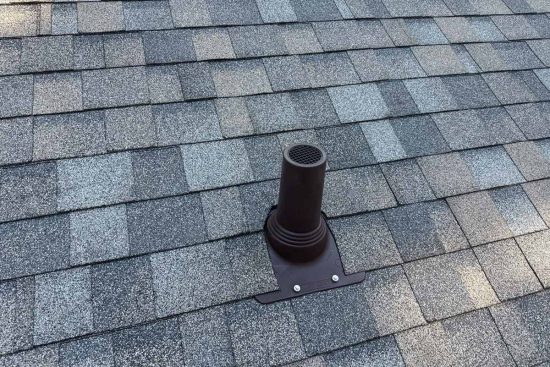
bullet boot install

Roof Maintenance

Proactive roof maintenance services that extend roof life and prevent costly repairs.
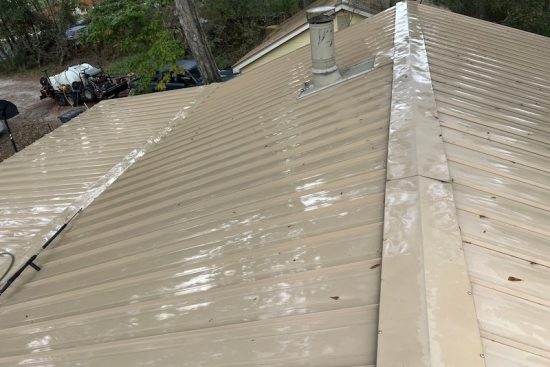
Soft Washing for Roofs

Soft Washing

Gentle soft washing that safely removes stains, algae, and buildup without damaging your roof.
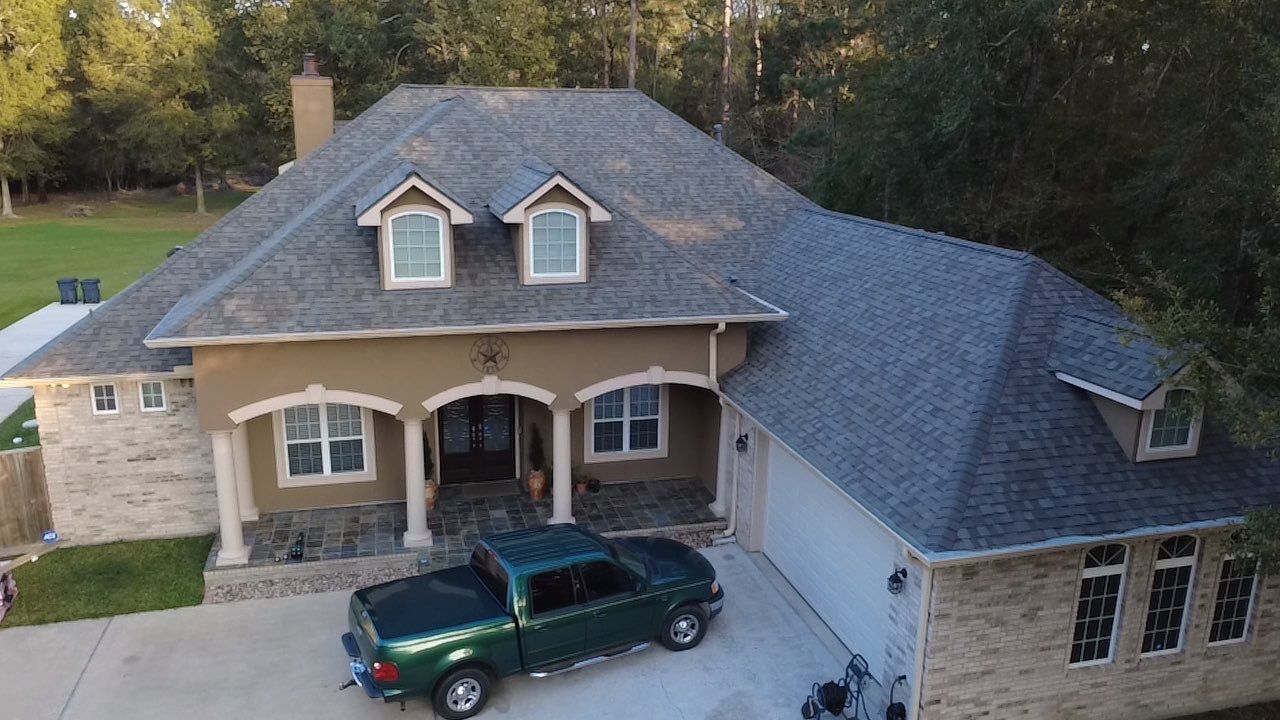
REQUEST AN ONLINE ESTIMATE!
What A Leak Detection Visit Includes And What It Costs

So what happens when you call us out for Roof Leak Detection? It’s not just a guy walking around on your roof for five minutes. A real leak check means we’re looking at the whole system, because water almost never shows up where it enters.

Here’s the order we work through on most Huffman homes:

  1. Walk the roof surface and check every penetration, vent boot, and valley
  2. Inspect flashing around chimneys and skylights, where seals fail first
  3. Check the attic from inside for staining, wet decking, or mold
  4. Look at gutters and fascia, since backed-up water can push under shingles
  5. Photograph everything and walk you through what we found

That last step matters more than people think. We don’t just hand you a bill and go. We show you the photo, explain what’s happening, and tell you straight whether it’s a small repair or something bigger.

Now, about cost. Roof repair pricing in this trade usually depends on a few things, not a flat number. How steep the roof is, how many layers are on it, whether decking underneath is soft or rotted, and how hard the leak is to trace all factor in. A pinhole leak near a pipe boot is a different job than a hidden leak that’s been traveling along a rafter for months. We don’t quote a number until we’ve seen what’s going on, because guessing over the phone helps nobody.

Ask any roofer you’re considering how they price a leak job before they show up. If they give you a number sight unseen, that’s worth asking follow-up questions about.

Turning Leak Findings Into Insurance Claim Documentation

Finding the leak is only half the job. What you do with that information is what gets your claim paid. Insurance adjusters aren’t up on your roof every day. They’re working off photos, notes, and whatever documentation gets handed to them. So we treat every leak inspection like it might end up in front of a claims desk, even if you’re not sure yet whether you’ll file.

Russell spent years working the insurance side before he ever climbed a ladder full time, first as an adjuster, then in insurance sales. He knows what an adjuster needs to see to approve a claim instead of denying it. That background shapes how we document a leak from the start: not just where it’s dripping, but where the water entered and why.

Here’s what typically goes into the file:

  • Photos of the entry point, the shingle or flashing damage causing it, and the interior stain it’s producing
  • Moisture readings that tie the leak to a specific date or storm event, when possible
  • Notes on wind or hail damage nearby, since a single missing shingle rarely tells the whole story
  • A written summary connecting the roof damage to the interior leak, so the adjuster isn’t guessing

We offer Insurance Claim Assistance and Storm Damage Property Inspections as part of this. Most homeowners have no idea what an adjuster is looking for until someone walks them through it. That’s the gap we fill. And if the damage doesn’t support a claim, we’ll tell you that too. No point sending a weak file and hoping for the best – that just burns your one shot with the carrier. Good documentation isn’t about padding a claim. It’s about giving the adjuster a clear, honest picture so they can do their job right the first time.

Frequently Asked Questions

How fast can you get out to check a roof leak in Huffman?

We aim to get out quickly once you call, especially during storm season when leaks spread fast. Huffman’s humid air off Lake Houston keeps wet decking from drying on its own, so a same-week visit matters. The longer water sits in your attic insulation or rafters, the more it spreads sideways before it ever shows up on your ceiling. Calling as soon as you spot a stain, smell, or soft spot gives you the best shot at a small fix instead of a bigger repair.

What happens when you come out for a leak check?

We walk the whole roof first, then head inside to check your attic and ceilings. You’ll see us inspect flashing, vent boots, and valleys outside, then look for wet decking or dark streaks inside. We photograph everything we find and walk you through it before we leave. You won’t get a bill with no explanation. You’ll know exactly where the water is getting in and what it will take to fix it.

Why does Huffman’s climate make roof leaks worse than other places?

Humidity coming off Lake Houston keeps roof decking and insulation damp longer after it rains. In a drier climate, a small leak might dry out before it causes damage. Here, that moisture sits in the rafters and attic for days, giving mold and rot more time to set in. That’s why we tell Huffman homeowners not to wait on a stain or musty smell, even if it looks minor at first.

Why is the wet spot on my ceiling nowhere near where the roof is leaking?

Water travels before it drips, often along a rafter or nail line, then shows up ten feet or more from where it entered. We’ve traced stains in hallways back to a cracked pipe boot two roof planes over. That’s why we start in the attic and follow the water uphill, not down. Chasing the stain on your ceiling without checking the attic usually means fixing the wrong spot.

How do I know if it’s a real roof leak or just condensation?

Real leaks usually show up during or right after a storm and trace back to one spot, like cracked flashing or a lifted shingle. Condensation shows up on calm, humid days with no rain, often from poor attic venting. Gutter overflow stains tend to run along the eaves instead of the middle of a ceiling. If you’re not sure which one you’re looking at, that’s exactly what a leak check sorts out before anyone touches a nail gun.

Is a small ceiling stain really worth calling someone about?

Yes, especially if it’s new, growing, or smells musty. A stain that seems minor today can mean insulation has been soaked for months without you knowing, since water often runs along a rafter before it ever drips through. Waiting on a “small” spot is how a simple repair turns into replacing rotted decking. Getting it checked early usually means a faster, smaller fix.

Customer Testimonials
“Ashley and Russell at STX are amazing to work with! They are extremely honest, trustworthy, and skilled in their craft. It’s clear they care about doing the job right and making sure their customers are taken care of. If you want peace of mind and top-quality roofing work, only go with STX for your roofing needs! ”
"STX Roofing has become on of our preferred roofing vendors over the last year or two. Justin is thorough in his evaluations and reporting, and is very responsive. When we were looking to explore roofers to expand our options, communication was our primary concern and has been a non issue with STX. Highly recommended!"
"We've had issues in the past with previous roofing jobs. STX Roofing was 100% what you hope for when hiring someone for a big job. From getting a bid through clean up, they were very professional and extremely proficient! If you're looking for a new roof, I would highly recommend reaching out to STX..."
Scroll to Top