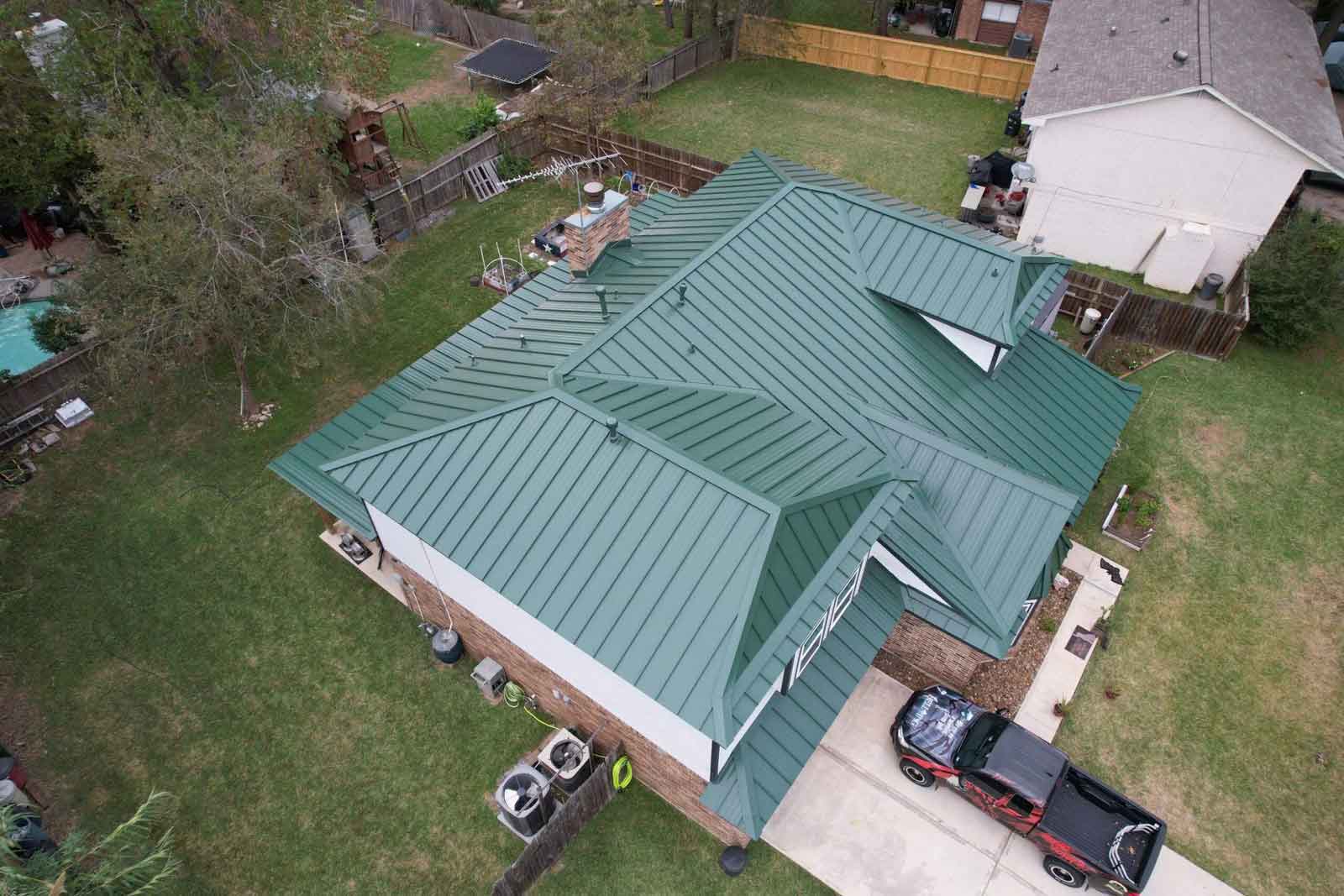


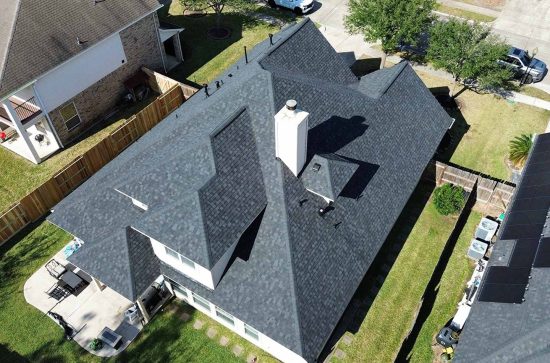
Welcome To STX Roofing

Hail Damage Roof Repair in Huffman: Know the Signs, Skip the Guesswork

Estimate Request

"*" indicates required fields

Signs Your Roof Has Hail Damage

Here’s the tricky part about hail. It doesn’t always look like damage. No cracked shingles falling into your yard, no dramatic hole. Most of the time it’s small, round bruises on the shingle surface, and you’d need to get up there to see them.

We climb roofs in Huffman after almost every big storm that rolls through, and most of the time the homeowner had no idea there was a problem. They called us because a neighbor got a new roof, or because their gutters looked dented. That’s usually the first clue people notice on their own – dented gutters, dinged window screens, or soft spots on the mailbox post. If the metal around your house took a hit, your shingles probably did too.

From the ground, look for:

  • Granules collecting in your gutters or at downspout outlets
  • Dark, irregular splotches on the shingle surface that weren’t there before
  • Bent or dented roof vents, flashing, or ridge caps
  • Cracked or chipped exterior light fixtures and A/C fins
  • Soft, bruised spots you can feel if you press on a shingle

Granule loss is the one that worries us most. Hail knocks the protective granules off a shingle, and that exposes the asphalt underneath to UV rays. It won’t leak next week. It might not leak for a year. But that spot is weakened, and Houston’s summer heat will finish the job faster than you’d think.

We also check the less obvious spots: ridge lines, pipe boots, valleys where two roof planes meet. Impact damage loves to hide in valleys. A homeowner standing in the driveway would never spot it, and most contractors don’t climb up far enough to either.

When Hail Damage Doesn't Need Immediate Repair

Here’s the truth most roofers won’t tell you. Not every hail hit is an emergency.

Sometimes a storm rolls through Huffman, dumps quarter-size hail for ten minutes, and your roof comes out just fine. Architectural shingles built after 2000, which cover a lot of roofs out here, have a flex to them that smaller hail often doesn’t beat. If we get up there and find light surface scuffing with no bruising, no exposed mat, and no granule loss down to the fiberglass, we’re going to tell you that. Cosmetic marks that don’t break the shingle’s seal usually don’t need a repair right away.

We also see homeowners call in a panic over metal flashing dents or a few dinged gutter sections. Those aren’t roof leaks waiting to happen. A dented drip edge is ugly, not dangerous. So we’ll note it, photograph it for your records, and let you decide if it’s worth fixing now or later.

And here’s another one. If your roof is already past 20 years old and showing wear that has nothing to do with the storm – curling edges, brittle shingles, algae streaking – that’s an aging roof problem, not hail damage. Filing that as storm damage can hurt your claim down the road.

Not sure which one you’ve got? That’s a fair question, and it’s exactly why a walk-up inspection matters more than guessing from the ground. We’d rather tell you “you’re fine” and lose an easy job than talk you into work your roof doesn’t need. Most homeowners are relieved to hear their roof held up. That relief is worth more to us than a sale we shouldn’t have made.

Filing an Insurance Claim After a Huffman Hailstorm

So the hail hit, and now what?

Here’s the thing most homeowners don’t know until they’ve been through it once. Insurance companies don’t send someone out because you called and said “I think I have damage.” You need documentation first, and that documentation needs to hold up.

Russell spent years working the other side of this as an insurance adjuster and in insurance sales before he ever got on a roof full time. He knows what adjusters are trained to look for, what gets a claim approved fast, and what gets it kicked back for “more information.” Our team uses that knowledge to walk you through the process instead of guessing at it.

Here’s roughly how it goes for most Huffman homeowners after a hail event:

  1. You call for a free roof inspection before you call your carrier.
  2. We document the damage with photos, measurements, and notes an adjuster can use.
  3. You file the claim with your insurance company and get an inspection date on the books.
  4. We meet the adjuster on the roof, point out damage, and answer questions on the spot.
  5. The carrier issues its scope and payment, and we get to work.

Step four is where most claims get won or lost. An adjuster walking a roof alone might miss hail hits hidden under a ridge cap or tucked behind a vent boot. We’ve seen it happen more times than we can count. Having someone on-site who’s worked adjusting claims himself changes that conversation.

One more thing worth saying plainly: not every hail mark means a payable claim. Some storms leave cosmetic granule loss that doesn’t meet a carrier’s threshold for functional damage. We’ll tell you straight if that’s what we’re looking at instead of pushing you toward a claim that won’t go anywhere.

Best roofer Nextdoor 2024
Houston Roofer Nextdoor 2021

Our Services

Here’s how we take care of roofs for Houston homeowners.
Residential roof replacement project completed by STX Roofing on a home in Southeast Texas

Roof Replacement

Professional roof replacement services using quality materials to protect your home for years to come.
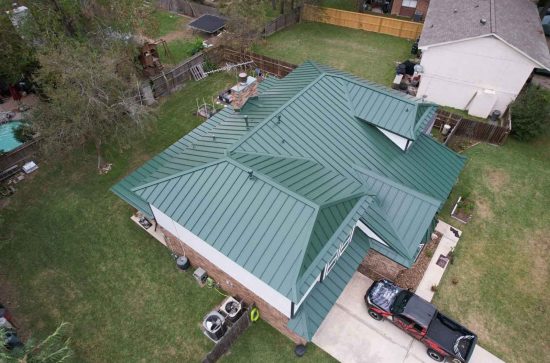
metal roof replacement

Metal Roof

Durable, energy-efficient metal roofing built for long-term performance and protection.
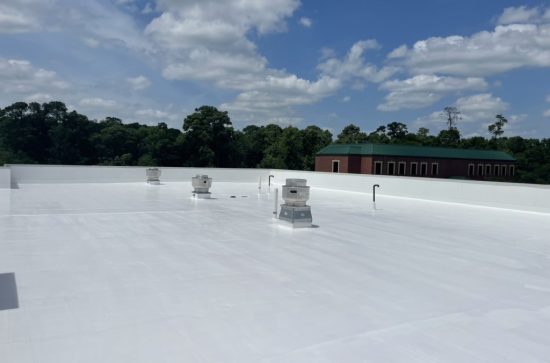
commercial roofer Houston TX

Commercial Roofing

Reliable commercial roofing solutions designed to protect your business and minimize downtime.
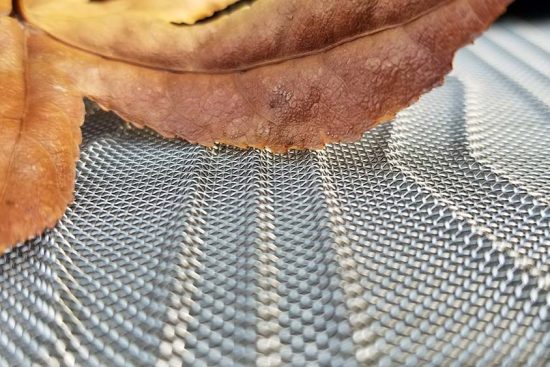
gutter guards

Gutter Guards

Leaf Blaster Pro gutter guards professionally installed for clog-free, low-maintenance gutters.
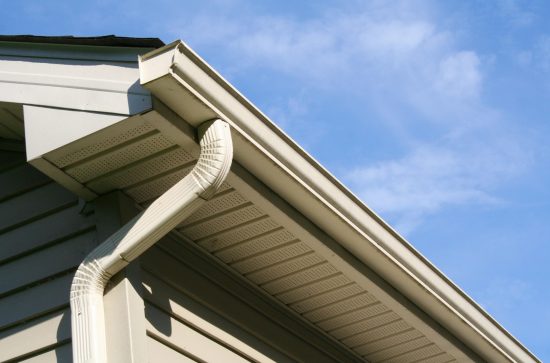
gutter installation

Gutter Installation

Custom-fit gutter installation that directs water away and protects your home’s foundation.
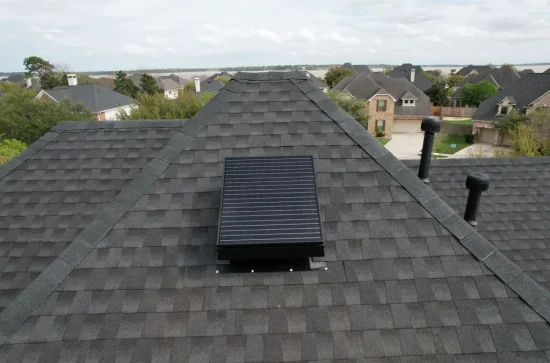
roof repairs

Roof Repairs

Expert roof repairs in Houston – fast, reliable fixes for leaks, storm damage, and normal wear.
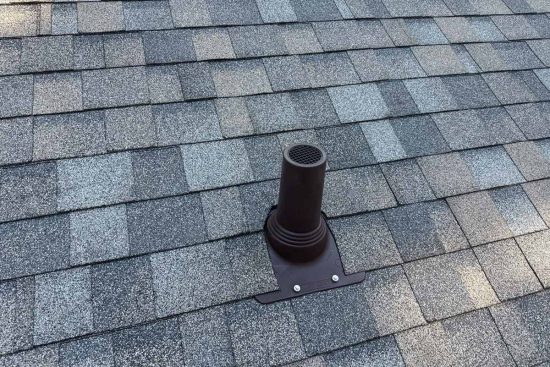
bullet boot install

Roof Maintenance

Proactive roof maintenance services that extend roof life and prevent costly repairs.
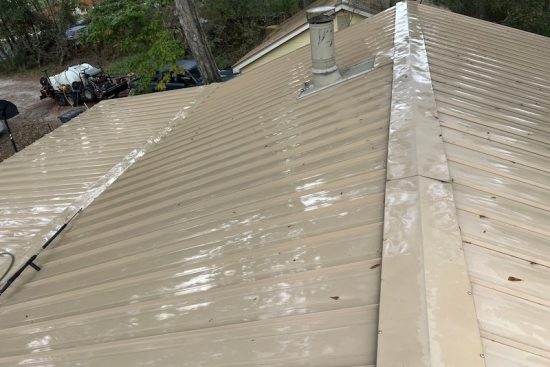
Soft Washing for Roofs

Soft Washing

Gentle soft washing that safely removes stains, algae, and buildup without damaging your roof.
REQUEST AN ONLINE ESTIMATE!
How Hail Damage Roof Repair Works Step by Step

Here’s how this goes, start to finish. No mystery to it, just a process that works when you follow it right.

  1. Inspection first. We get up on the roof and check every slope, not just the side facing the street. Hail doesn’t hit evenly – one side of your roof might look fine while the other’s beat up pretty bad.
  2. Document everything. Photos of bruised shingles, soft spots, granule loss in the gutters. This matters more than people think if you’re planning to file a claim.
  3. Talk through what we found. Russell spent years on the insurance adjuster side before he got into roofing full time, so we can tell you straight what’s storm damage versus what’s just an old roof wearing out. Adjusters look for that same distinction.
  4. Meet the adjuster if there’s a claim. We walk the roof with them so nothing gets missed or written off as “wear and tear” when it’s impact damage.
  5. Order materials and schedule. Once the scope’s approved, we get the shingles, underlayment, and flashing lined up so there’s no delay once your crew shows up.
  6. Do the repair. Damaged shingles come off, decking gets checked underneath, new components go in. We don’t reuse old shingles or flashing to save a step – that’s how leaks start six months later.
  7. Final walkthrough. We check the work with you before we call it done, not after.

Most repairs from a hailstorm take a day or two once materials are on site. Bigger jobs with wind damage mixed in can run longer. Either way, you’ll know what’s happening at each step, not just wondering when someone’s going to show up.

What Drives Hail Damage Repair Costs

Nobody likes an open-ended answer, so let’s get specific about what moves the needle on a hail repair job. It’s not one thing. It’s a handful of factors stacked together.

Roof material matters first. Asphalt shingles, metal panels, and flat commercial membranes each take damage differently and each get repaired differently. A dented ridge cap costs less labor than a full slope of cracked shingles. Steep pitches and multi-story homes need more safety gear and more time on the ladder, so access changes the bid too.

Then there’s the damage itself. Is it cosmetic bruising or actual granule loss that’s exposed the mat underneath? Cosmetic hits might just need a few shingles swapped. Exposed mat means water’s getting a path in, and that’s a different repair altogether. We check both when we’re up there, not just the obvious spots.

Older homes around Huffman with original wood decking from a build in the 80s or 90s sometimes need decking repair once we pull shingles back, not just replacement on the surface. That’s not something you can see from the ground. It’s part of why a real inspection beats a drive-by guess every time.

Insurance involvement changes the math too. If you’re filing a claim, your deductible sets your out-of-pocket piece and the adjuster’s scope determines what’s covered. Retail jobs, paid straight out of pocket, skip that scope negotiation entirely. That can mean faster turnaround but a different total picture.

  • Extent of damage: spot repair versus full slope
  • Roof material and current age
  • Access and pitch of the roof
  • Hidden decking or structural repair once shingles are pulled
  • Insurance claim versus retail payment

Ask any contractor to walk you through their scope line by line before you sign anything. If they can’t explain it, that’s a red flag worth noting.

Frequently Asked Questions

How do I know if my roof has hail damage?

Look for granules piling up in your gutters, dark irregular splotches on shingles, and dented vents or flashing. Hail damage doesn’t always look dramatic. Most Huffman homeowners never notice it from the ground. A better clue is your gutters, window screens, or mailbox post. If metal around your house got dinged, your shingles likely took a hit too. A walk-up inspection is the only way to know for sure, since the worst damage often hides in roof valleys and under ridge caps.

Do you inspect roofs even if I’m not sure there’s damage?

Yes, we climb the roof and check every slope, not just the side facing the street. Hail rarely hits evenly, so one side of your Huffman home can look fine while the other side is beat up. We check ridge lines, pipe boots, and valleys where damage likes to hide. You’ll get a straight answer, even if that answer is that your roof held up fine. We’d rather tell you that than talk you into work you don’t need.

Should I call my insurance company or a roofer first after a hailstorm?

Call for a free inspection before you call your carrier. Insurance companies won’t send an adjuster just because you think there’s damage. You need documentation first, with photos, measurements, and notes an adjuster can use. Once that’s in hand, you file the claim and get an inspection scheduled. Having documentation ready before the adjuster shows up helps your claim move faster and reduces the chance it gets kicked back for more information.

What happens when the insurance adjuster comes to look at my roof?

We meet the adjuster on your roof and point out the damage directly, so nothing gets missed. Adjusters walking a roof alone can overlook hail hits tucked under ridge caps or hidden behind vent boots. Having someone on-site who understands what adjusters look for changes that conversation. Step four of the claims process, the adjuster meeting, is usually where claims get won or lost. We answer questions on the spot so nothing gets written off as normal wear and tear.

Is every hail mark on my roof worth filing an insurance claim for?

No, not every hail mark is worth filing a claim over. Some storms leave cosmetic granule loss that doesn’t meet a carrier’s threshold for functional damage. We’ll tell you straight if that’s what we’re seeing instead of pushing a claim that won’t go anywhere. We also check whether wear you’re seeing, like curling edges or algae streaking, is really just an aging roof problem. Filing that as storm damage can hurt a future claim.

How long can I wait before repairing hail damage on my roof?

It depends on whether granules are gone down to the fiberglass mat underneath. That exposes the shingle to UV rays, and Houston’s summer heat speeds up the breakdown fast. Light surface scuffing with no bruising or exposed mat usually doesn’t need immediate repair. Bigger concerns are soft, bruised spots and granule loss in your gutters. If you’re not sure which one you have, an inspection beats guessing and waiting too long to act.

Customer Testimonials
“Ashley and Russell at STX are amazing to work with! They are extremely honest, trustworthy, and skilled in their craft. It’s clear they care about doing the job right and making sure their customers are taken care of. If you want peace of mind and top-quality roofing work, only go with STX for your roofing needs! ”
"STX Roofing has become on of our preferred roofing vendors over the last year or two. Justin is thorough in his evaluations and reporting, and is very responsive. When we were looking to explore roofers to expand our options, communication was our primary concern and has been a non issue with STX. Highly recommended!"
"We've had issues in the past with previous roofing jobs. STX Roofing was 100% what you hope for when hiring someone for a big job. From getting a bid through clean up, they were very professional and extremely proficient! If you're looking for a new roof, I would highly recommend reaching out to STX..."
Scroll to Top